
On a recent Canada trip, I caught up with Jackie, an old Perth friend. She’s lived in Toronto for 20 years. Jackie took me on a one-day retail safari of the city’s most successful brands and entrepreneurs (big thanks Jackie).
I clocked up 27,000 steps (without even noticing!) and found five different businesses which gave a masterclass in my 2026 business obsession: what earning trust actually looks like in practice.
First, here’s why this matters.
Right now, Australian consumers are more distrusting than trusting.
Roy Morgan research confirms it. 84% of consumers place greater trust in peer-generated content—reviews, real experiences, word of mouth—over traditional advertising. When consumers detect AI-generated content in brand marketing, they’re four times more likely to trust that brand less.
And yet the commercial upside of getting this right is enormous: consumers are 1.7 times more likely to purchase more from brands they trust. Which makes trust your must-have growth strategy.
Okay. Let’s go shopping in Toronto.
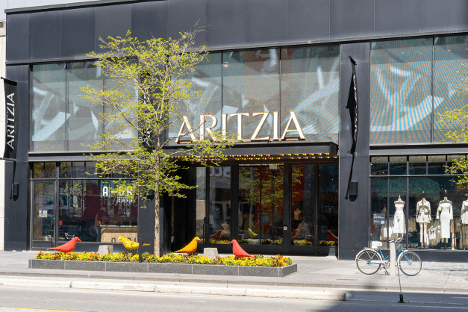
Aritzia: Trust through service
The clothes are beautiful, but that’s not why Aritzia is growing at 17% year-on-year. It’s the service model.
Shop assistants here are trained stylists who will pull together a complete look for you, free of charge. I left with a navy top and black dress I’m genuinely delighted with. There’s also an in-store café turning a shopping trip into a destination. Their proprietary Crepette™ fabric (wrinkle-resistant, beautifully draped) creates its own word of mouth.
In FY2025, Aritzia posted CAD $2.74 billion in net revenue. When 64% of US shoppers were trading down to cheaper alternatives, Aritzia’s customers weren’t going anywhere. The stylist who helps you find something beautiful is building trust as much as providing servic
Indigo: Trust through human curation at scale
Three storeys. A café, reading nooks, co-working spaces. A grand piano where regular customers are welcome to play. This is Canada’s largest book retailer which has evolved into a lifestyle destination.
The Netflix-style book curation is smart: “If you liked this, try these” tables designed for the discoverer. But the most powerful thing is founder Heather Reisman’s personal reading recommendations table, which plays as an act of intimacy inside a giant chain.
For mine, a stranger’s honest taste is worth more than any algorithm. And a random playing piano while you browse is a memory as much as a marketing strategy. And memories are how trust builds and compounds.

Mandy’s: Trust through seeing every customer
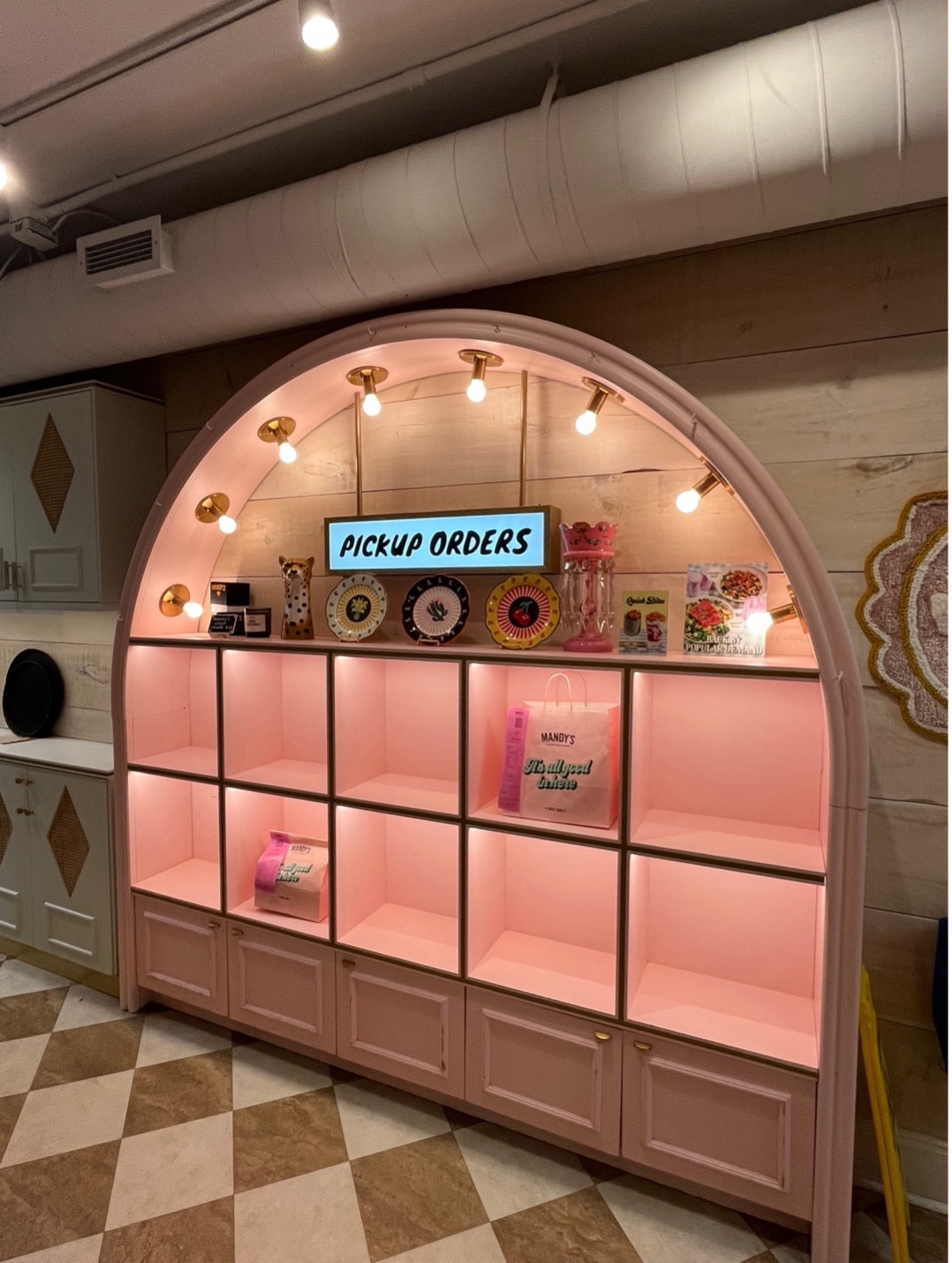
Vibrant, fresh, buzzy. A great salad spot. But the design thinking is the killer. Mandy’s has built dedicated pick-up zones for Uber Eats drivers, not just a corner of the counter. Drivers know where to go, in-store customers aren’t disrupted and the whole operation flows.
The customer who never visits the shop is catered for as much as the one eating at the table. That recognition, the idea that a business has thought about your experience even when you’re invisible to them, is a powerful trust creator. The businesses winning now are competing on this, the quality of the whole purchasing experience. Love it
Nutbar: Trust through genuine credential
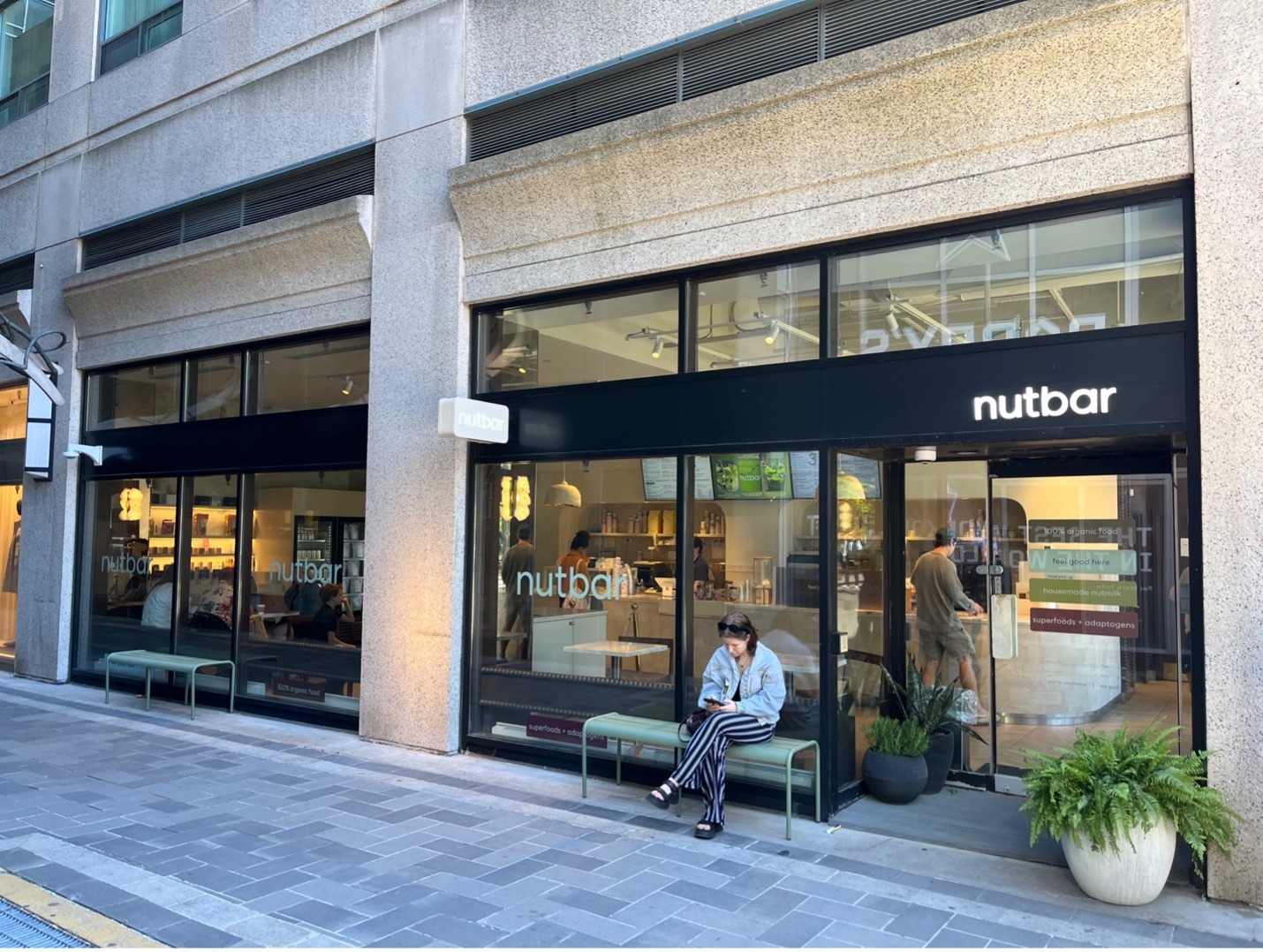
Jackie and I both ordered a hot drink that smelled like coffee but was actually dandelion. I’ve never had anything like it! Founder Kate Taylor Martin is a certified holistic nutritionist who came to this after working in PR at a hospital and witnessing the health crisis first-hand. The expertise is the product’s credibility, and it shows in every menu item.
In an era of content farms, genuine knowledge is rare and valuable. Nutbar earns trust before a customer even orders, because the founder’s credentials are woven into every product decision. Consumers can feel the difference between a business built on genuine expertise and one built on a market opportunity.
Othership: Trust through shared transformation
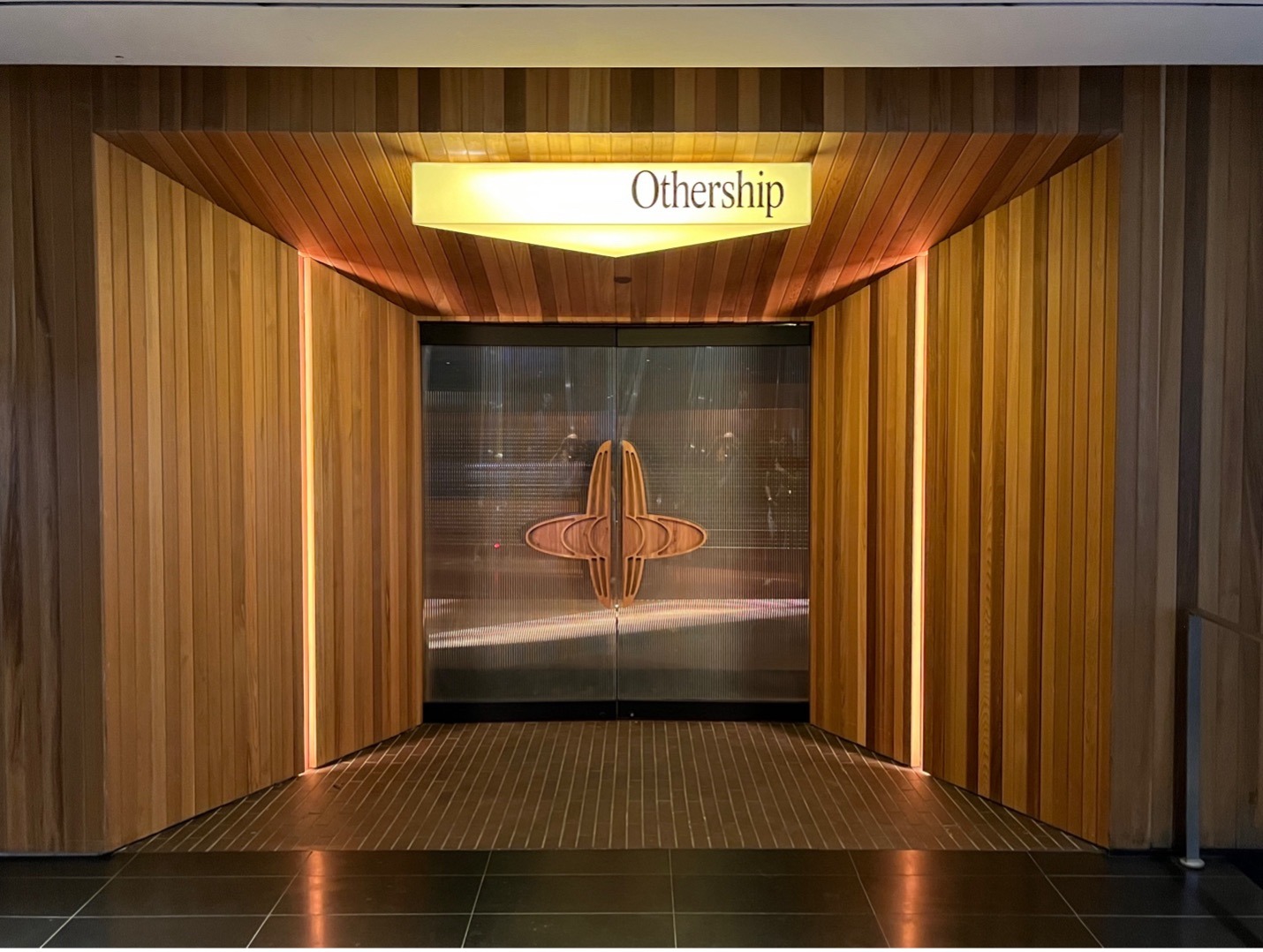
My standout of the entire safari! What got me first was the scent: four types of cedar piped through the HVAC system, detectable at least 20 metres from the door. Inside: a performance sauna holding up to 90 people, eight private ice baths at one degree Celsius, and guided sessions led by trained Aufguss masters.
Not a spa. A community.
The brand has raised over $20 million in funding, opened an $11 million New York location, and counts Shawn Mendes among its investors. But what it’s really built is something harder than capital: genuine belonging. Othership doesn’t ask customers to trust it. It puts them in a room, strips away their clothes and phones, turns up the heat, and lets them experience something transformative together.
What did I learn? These five businesses in five categories share one instinct. Trust first. Transaction second.
None of them is leading with discounts or flooding feeds with AI generated content. Each has made the same fundamental bet: that if you genuinely serve people—look after them, surprise them, include them, transform them—the commercial results follow.
The trust crisis is real but so is the opportunity hiding inside it. Which of these trust signals is missing in your business right now?